

Why Are We So Obsessed With Dead Girls? These Books Explore if True Crime Is Ethical


This content contains affiliate links. When you purchase through these links, we may earn an affiliate commission.
What’s the deal with true crime? That’s the question we asked recently Myself on Book Riot’s Mysteries and Thrillers Podcast, read or die. My co-host Katie McLane Horner and I took an episode to read some recent(ish) titles about true crime and how the genre is evolving. For too long, true crime has thrived on our obsession with these violent acts. We can’t look away, mesmerized by the worst day of someone else’s life.
But in the past decade, more and more voices have been raised against our culture’s voyeuristic attitude toward violence against women and girls. They ask big questions like, What are the ethics behind the consumption of this content? Who is allowed to tell the story of these crimes? And whose stories are not being told?
The books below answer these and other questions.
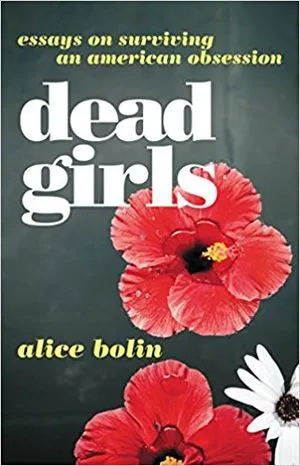
Dead Girls: Essays on the Survival of American Culture by Alice Bolin
Why are we so obsessed with dead girls? when i first read dead girlsA light bulb went off in my brain. She says, “It’s clear that we love Dead Girl so much, enough to retell and retell her story again and again, to kill her again and again, but not enough to see a pattern. She’s always singular, an anomaly, a juicy new mystery.” I had never connected the dots before. Many true crime stories retell these tragedies as entertainment. But these true crime stories are real tragedies of people, not cheap content for people to consume. Bolin tackles these ideas from a variety of angles, outlining her ideas with precision.
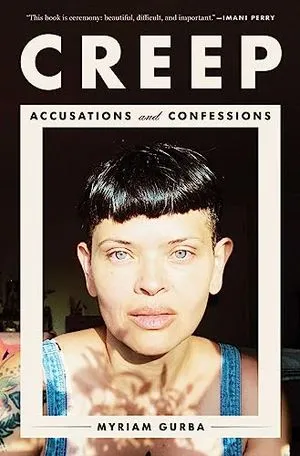
Creep: Accusations and Confessions By Mariam Gurba
Who can tell the story of a survivor? For Mariam Gurba, the question is personal. As a survivor of sexual assault and long-term abuse by a partner, Gurba experiences the emotions that true crime obsessives obsess over. Gurba highlights what it is like to find oneself in such a narrative and the harsh realities of living in it. But she is not going to hand over her story to anyone else. This is his story. And she can tell as much or as little about it as she wants. What makes Gurba top class cultural criticism creep a must read.
true story
Sign up for True Story to receive nonfiction news, new releases, and must-read upcoming titles.

Unspeakable Acts: True Stories of Crime, Murder, Deceit and Obsession By Sarah Weinman
Can one cover a true crime story without exploitation? What would that kind of journalism look like? Weinman edited unspeakable act To showcase a new generation of true crime writers who handle their subjects with care and thoughtfulness. These writers are not exploitative. They center the stories of the victims and celebrate their lives. All of these stories present true crime from a different perspective. In one essay, a swindler is captured by the same women from whom he stole. It is about a missing trans woman and the disappointing response of the authorities when her family reported her missing. In another essay, we get an in-depth look into the life of Gypsy Rose Blanchard and her parasocial following, who insisted that they knew what “really” happened.
You can find me on my Substack Winchester Avenueon instagram @kdwinchesteror on my podcast read appalachia. As always, feel free to drop me a line [email protected]. For more book content, You can find my articles on Book Riot.