

5 Best Books for Personal Finance

Introduction
Personal finance is simply how you manage your money. It covers how you earn, save, spend, borrow and invest. Good money habits do not happen by accident. They come from learning the basics and practicing them over time.
Financial literacy helps you build a budget that works. It guides you in paying off debt faster. It shows you how to invest for long‑term growth and security. Most importantly, it gives you confidence when making money decisions.
The right personal finance books can speed up this learning process. They turn complex ideas into simple steps you can follow. Below are five of the best books for personal finance that have helped millions of readers change their money stories. Start with any one of them and you will already be ahead of most people.
1. Rich Dad Poor Dad – Robert T. Kiyosaki
Robert Kiyosaki is an entrepreneur and investor known for teaching financial education outside traditional schools. He built businesses, invested in real estate and turned those experiences into a series of money management books.
“Rich Dad Poor Dad” reads like a story. Kiyosaki compares the money beliefs of his biological “poor dad” (a well‑educated employee) with those of his “rich dad” (a business owner). Through their contrasting views, he shows why mindset matters more than income.
Key lessons from the book:
- Learn the difference between assets and liabilities. Assets put money in your pocket.
- Do not rely only on a salary. Build passive income through businesses and investments.
- Work to learn new skills, not just to earn a paycheck.
- Financial education is a lifelong process that schools often ignore.
Who should read it and why
This is one of the best books for personal finance beginners. The ideas are simple and inspiring. If you feel stuck living paycheck to paycheck, this book can shift how you see money, work and wealth. It will not give you a step‑by‑step plan, but it will make you hungry to learn more.
2. The Total Money Makeover – Dave Ramsey
Dave Ramsey is a well‑known radio host and personal finance coach. After going bankrupt as a young real estate investor, he rebuilt his life and created a clear, strict plan for getting out of debt.
“The Total Money Makeover” is a very practical money management book. It lays out Ramsey’s famous “Baby Steps” for taking control of your money. The tone is direct and sometimes tough, but many people find that helpful when they need a reset.
Key lessons from the book:
- Start with a small starter emergency fund to avoid using credit cards.
- Use the “debt snowball” method: pay off debts from smallest to largest for quick wins.
- Live on a written monthly budget before the month begins.
- Avoid consumer debt completely and pay cash whenever possible.
- After debt, build a full emergency fund, invest for retirement and build wealth to give.
Who should read it and why
If you feel buried in credit cards, car loans or personal loans, this is one of the best personal finance books to start with. It gives you a clear order of steps and pushes you to change habits. It is ideal for people who like rules, checklists and strong accountability.
3. The Psychology of Money – Morgan Housel
Morgan Housel is a financial writer and partner at Collaborative Fund. He spent years studying investor behavior and telling money stories in simple language. His focus is not on complex math, but on human behavior.
“The Psychology of Money” explores how our emotions, experiences and biases shape money decisions. The book is built as short chapters, each sharing stories and lessons from history, business and everyday life.
Key lessons from the book:
- Good money decisions are not just about knowledge. They are about behavior and patience.
- Small, consistent actions can compound into huge results over decades.
- Risk and luck play a bigger role in success than most people admit. Stay humble.
- Having “enough” is crucial. Constantly chasing more can destroy wealth and happiness.
- Save not just for goals, but for flexibility and freedom in the future.
Who should read it and why
This is perfect if you already know the basics of budgeting and investing but still make emotional mistakes. Among modern personal finance books, it stands out for changing how you think about risk, goals and time. It will help you stay calm, stick to a plan and avoid big, costly errors.
4. Your Money or Your Life – Vicki Robin
Vicki Robin is a writer and activist who, with the late Joe Dominguez, helped inspire the Financial Independence, Retire Early (FIRE) movement. She focuses on aligning money with values and sustainable living.
“Your Money or Your Life” is a step‑by‑step program that links every dollar you earn to your “life energy” – the time and effort you trade for money. The book teaches you to track every expense, question what truly brings joy and move toward financial independence.
Key lessons from the book:
- Think of money as life energy. Ask if each purchase is worth the time you spent earning it.
- Track every cent you spend to become truly aware of your habits.
- Define what “enough” means for you, instead of chasing status or lifestyle inflation.
- Reduce expenses in ways that increase quality of life, not just cut for the sake of cutting.
- Invest steadily so that your income from investments can one day cover your needs.
Who should read it and why
If you want more than just tips and are seeking a deeper change, this is one of the best books for personal finance and life design. It is ideal for people who feel trapped in the rat race and want freedom, simplicity and purpose, not just a higher bank balance.
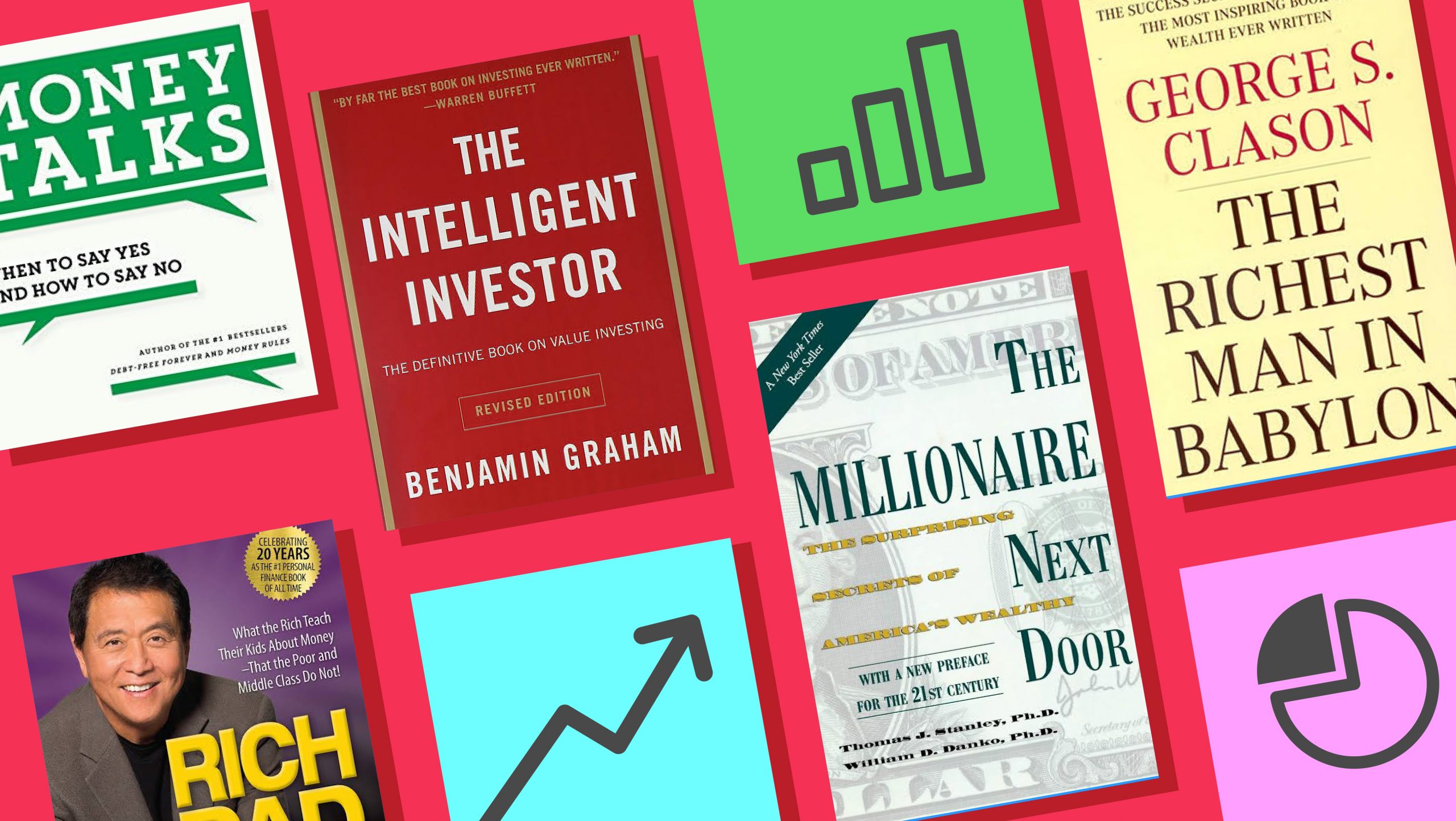
5. The Intelligent Investor – Benjamin Graham
Benjamin Graham was a legendary investor and professor, often called the “father of value investing.” He mentored Warren Buffett and shaped how many professionals think about stock investing.
“The Intelligent Investor” is a classic investing guide. It is denser than most money management books, but packed with timeless wisdom. Graham explains how to analyze companies, think about risk and protect yourself from market swings.
Key lessons from the book:
- Understand the difference between investing and speculating. Investing is owning pieces of real businesses.
- Always insist on a “margin of safety” – buy investments only when they are clearly undervalued.
- Do not react emotionally to market ups and downs. Treat “Mr. Market” as a servant, not a guide.
- Diversify and stick to a sensible, long‑term strategy instead of chasing hot tips.
- Choose whether you are a defensive (hands‑off) or enterprising (hands‑on) investor.
Who should read it and why
This book is best for readers ready to go deeper into stock investing. If you want to build long‑term wealth through the market, this is one of the best personal finance books to study slowly. Pair it with simpler guides or index fund strategies if you are a beginner.
Why These Books Are Important for Personal Finance
These personal finance books cover every key area of money. They teach you how to budget, crush debt, invest wisely and change your mindset. Together, they improve your decision‑making by giving you both practical tools and big‑picture thinking.
You learn how to avoid common traps like lifestyle creep, impulse spending and emotional investing. You also see how to use money to support your values and goals. Reading them will boost your confidence with numbers, help you talk about money openly and make long‑term planning feel possible.
How Readers Can Apply the Lessons in Real Life
You do not need to apply everything at once. Start small:
- Create a simple monthly budget based on your current spending.
- Build a starter emergency fund of at least $1,000 while paying minimum debts.
- Choose one debt and attack it using the snowball or avalanche method.
- Automate savings and investments each payday, even if the amount is small.
- Schedule a monthly “money date” to review progress, adjust goals and keep learning.
Combine these steps with ongoing reading, and the ideas from these money management books will quickly turn into daily habits.
FAQs About the Best Books for Personal Finance
1. Which personal finance book is best for beginners?
For complete beginners, “Rich Dad Poor Dad” is a great starting point because it focuses on mindset and simple concepts. If you want a clear action plan, “The Total Money Makeover” is also excellent. Many readers start with one of these, then move on to “Your Money or Your Life” or “The Psychology of Money” for deeper insight.
2. Which book helps with investment basics?
“The Intelligent Investor” is the classic guide to value investing, but it can feel advanced. A good path is to read “The Psychology of Money” first to understand behavior, then tackle “The Intelligent Investor” slowly. Take notes, look up unfamiliar terms and focus on ideas like margin of safety, diversification and long‑term thinking.
3. Can reading personal finance books help reduce debt?
Yes, if you act on what you read. “The Total Money Makeover” is specifically designed for getting out of debt. It offers clear steps and real stories that keep you motivated. Combine its methods with a detailed budget and spending tracking from “Your Money or Your Life,” and you will see debt balances start to fall month by month.
4. Which book is best for long‑term wealth building?
For long‑term wealth, combine several. “The Intelligent Investor” teaches fundamentals of investing. “The Psychology of Money” helps you stay patient and avoid big mistakes. “Rich Dad Poor Dad” pushes you to look for assets and income streams. Together, these personal finance books give you both the strategy and the mindset needed for lasting wealth.
5. How many personal finance books should I read in a year?
Quality matters more than quantity. Reading three to five money management books a year is enough for most people, as long as you apply the lessons. You might read one focused on debt, one on investing and one on money psychology. Revisit key chapters, update your plan and treat each book as a guide, not just information.